The Role of Humidity in HVAC Systems
Humidity levels play a crucial role in the functionality and efficiency of heating, ventilation, and air conditioning (HVAC) systems. High humidity levels can strain the system by making it harder to remove moisture from the air, leading to increased energy consumption and reduced cooling efficiency. On the other hand, low humidity levels can cause dry air issues, such as discomfort, static electricity, and potential damage to wooden furniture and musical instruments.
Effects of High Humidity
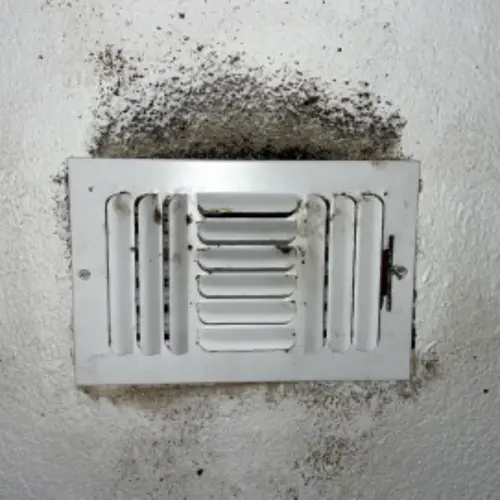
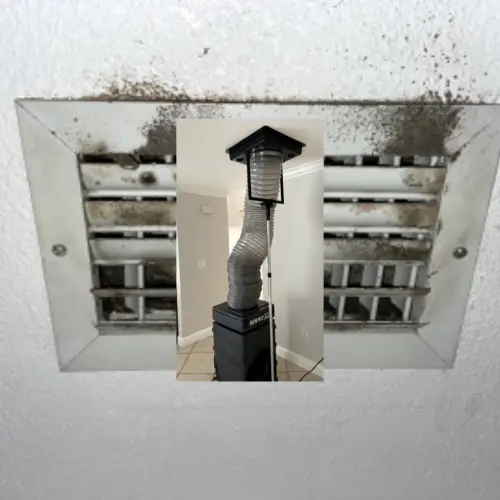
In regions with high humidity, HVAC systems must work harder to maintain a comfortable indoor environment. This can lead to higher energy bills, decreased system lifespan, and increased likelihood of moisture-related problems like mold and mildew growth.
Optimizing HVAC Performance Through Humidity Control
In contrast, low humidity levels can also pose challenges for HVAC systems. Dry air can cause respiratory discomfort, skin dryness, and static electricity buildup. HVAC systems may need to operate more frequently to add moisture to the air, resulting in increased energy usage and potential strain on components.
Benefits of Proper Humidity Control
Proper humidity control is essential for optimizing HVAC performance. Installing humidity control devices such as humidifiers or dehumidifiers can help maintain ideal humidity levels, improve energy efficiency, and prolong the lifespan of HVAC equipment. Regular maintenance, including cleaning or replacing air filters and checking ductwork for leaks, is also crucial for optimal performance.
Consulting HVAC Professionals
For personalized advice on humidity control and optimizing HVAC performance, consult experienced HVAC professionals like Air Of America. They can conduct humidity assessments, recommend suitable solutions, and ensure your HVAC system operates efficiently and effectively throughout the year.