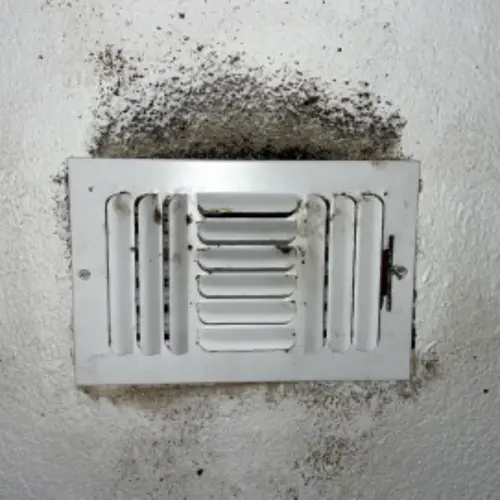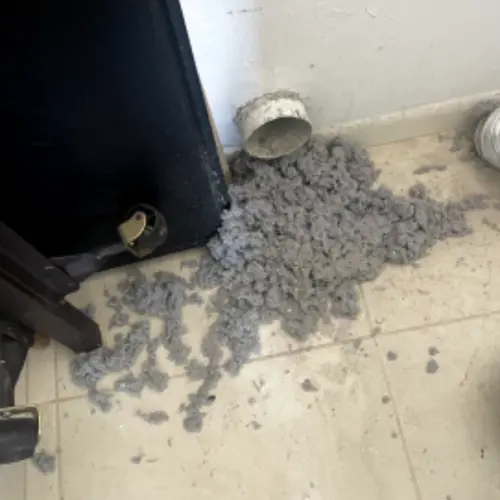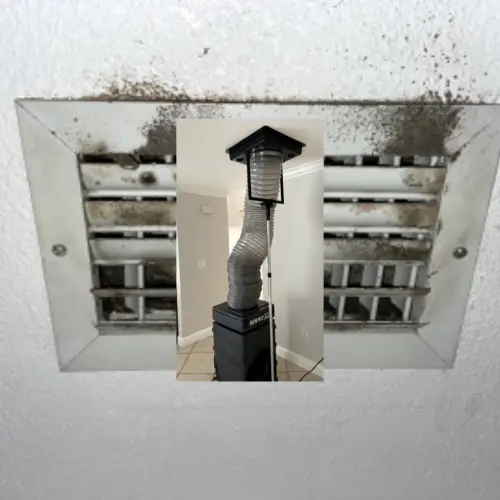
Mold in Air Ducts
Mold in air ducts poses a significant threat to indoor air quality, which directly impacts the health and well-being of occupants. Addressing mold issues in air ducts is crucial for several reasons:
- Respiratory Health Concerns: Mold spores released into the air can trigger allergic reactions, asthma attacks, and respiratory irritation, especially in individuals with pre-existing conditions. Continuous exposure to mold-contaminated air can lead to chronic respiratory issues.
- Spread of Contaminants: Mold growth in air ducts doesn’t remain confined. As the HVAC system circulates air throughout the building, it can spread mold spores to every room, increasing the risk of health problems for occupants.
- Indoor Air Quality Degradation: Mold emits musty odors and releases volatile organic compounds (VOCs) that contribute to indoor air pollution. Poor indoor air quality can lead to fatigue, headaches, and other discomforts.
- Structural Damage: Prolonged mold growth in air ducts can compromise the structural integrity of the HVAC system, leading to costly repairs or replacements.
Awareness of Different Types of Mold and Proper Remediation Techniques
It’s essential for homeowners and property managers to be aware of the various types of mold that can thrive in air ducts. Each type has its unique characteristics and potential health risks. Proper identification of mold species is key to implementing effective remediation strategies.
Some common types of mold found in air ducts include:
- Cladosporium: Often black or greenish-black, commonly found on cooling coils and in insulation.
- Penicillium: Bluish-green in color, thrives in damp conditions, and can spread rapidly.
- Aspergillus: Various colors, commonly found in warm, humid environments, and can produce mycotoxins.
- Stachybotrys Chartarum (Black Mold): Dark greenish-black in color, known for producing mycotoxins that can pose serious health risks.
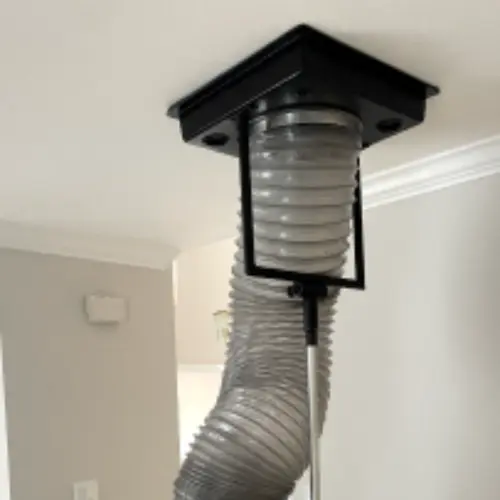
Proper remediation techniques for mold in air ducts involve thorough cleaning, disinfection, and moisture control measures. Professional mold remediation services are often necessary to ensure comprehensive removal and prevent recontamination.