Defeating Mold in Air Ducts Using Sanitizer
Intro
When it comes to maintaining a healthy indoor environment, proper air duct cleaning is essential. Air ducts can easily become a breeding ground for mold if not properly maintained. Mold growth in air ducts can not only impact the air quality in your home but also pose serious health risks. In this blog post, we will explore how using sanitizer can effectively defeat mold in air ducts and prevent its regrowth.
Understanding Mold Growth in Air Ducts
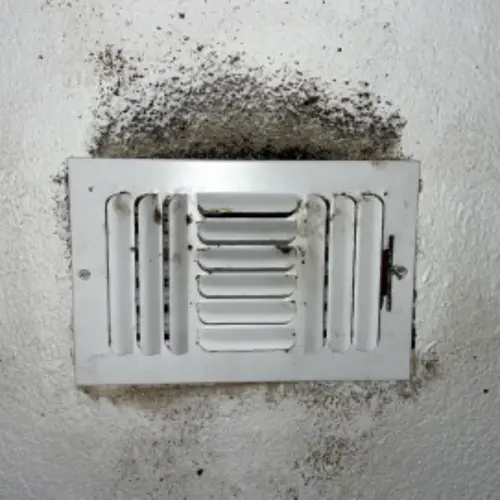
Mold finds its ideal home in environments that are moist, dark, and relatively undisturbed, characteristics that describe the interior of air ducts almost perfectly. This environment can facilitate the unchecked growth of mold colonies, especially when humidity levels inside a home are consistently high or there has been exposure to water through leaks or flooding. Once mold establishes itself within the ductwork, it can become a persistent issue. The continuous movement of air through the ducts can disperse mold spores throughout a residence, carrying them to various living spaces where they can settle and potentially start new colonies. This dispersion can lead to an increase in allergic reactions, respiratory problems, and other health concerns for the inhabitants. Additionally, the presence of mold can contribute to a musty smell that permeates the home, serving as a telltale sign of its proliferation within the air ducts. Recognizing the early signs of mold growth and understanding the conditions that promote its development are critical steps in preventing its spread and ensuring the air quality in your home remains healthy and safe.
The Role of Air Duct Cleaning in Mold Prevention
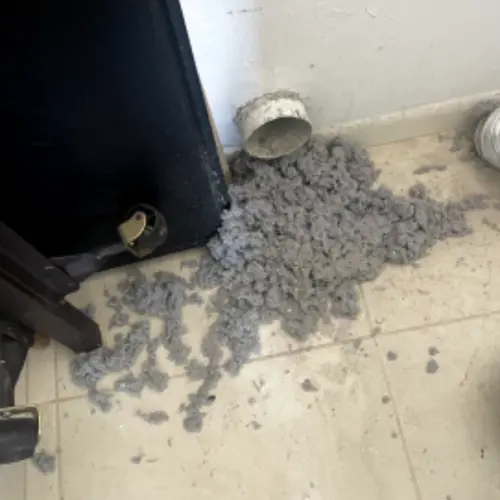
Maintaining clean air ducts is a fundamental component in the battle against mold growth within your home’s ventilation system. An essential aspect of this maintenance involves periodic air duct cleaning, which effectively removes the accumulation of dust, pet dander, pollen, and other organic matter that mold spores feed on. By eliminating these potential food sources, the environment becomes less conducive to mold proliferation. Cleaning also disrupts any beginning stages of mold colonies trying to establish themselves on the duct surfaces.
However, it’s important to recognize that simply removing visible contaminants may not fully address the microscopic mold spores lurking within the ductwork. These spores can remain dormant for long periods, awaiting the right conditions of moisture and temperature to begin growing. Hence, incorporating the application of a mold-specific sanitizer after cleaning is a critical step. This added measure attacks and neutralizes mold spores, significantly reducing the chance of future mold outbreaks.
Regularly scheduled air duct inspections can further aid in mold prevention. These inspections can uncover hidden issues, such as moisture intrusion or inadequate ventilation, which might promote mold growth. Addressing these problems early on can prevent mold from gaining a foothold in your ducts, ensuring that the air circulating through your home remains clean and healthy. Engaging in these practices lays the groundwork for a comprehensive approach to preventing mold in air ducts, safeguarding your home’s indoor air quality.
Selecting the Right Sanitizer for Mold Destruction
Choosing an effective sanitizer for combating mold in your air ducts is crucial. The market offers various products, but not all are suitable for use in HVAC systems. To ensure the safety and health of your home’s environment, opt for sanitizers that have been registered by the Environmental Protection Agency (EPA). These products have undergone rigorous testing to confirm their efficacy against mold spores without compromising the air quality or surfaces within your ductwork. Furthermore, consider the sanitizer’s compatibility with your specific HVAC system, as some products may be more suitable for certain types of materials or designs. Proper application is key to maximizing the effectiveness of the sanitizer, so review and adhere to the manufacturer’s guidelines carefully. This may include information on the amount of product to use, application methods, and necessary precautions to protect yourself and your home during the process. If the task seems daunting or if you’re unsure about the right product for your needs, consulting with a professional can provide clarity and ensure that the chosen sanitizer contributes effectively to your mold prevention strategy. By selecting the appropriate sanitizer, you take a significant step towards maintaining a mold-free air duct system and promoting a healthier living space.
The Process of Sanitizing Air Ducts
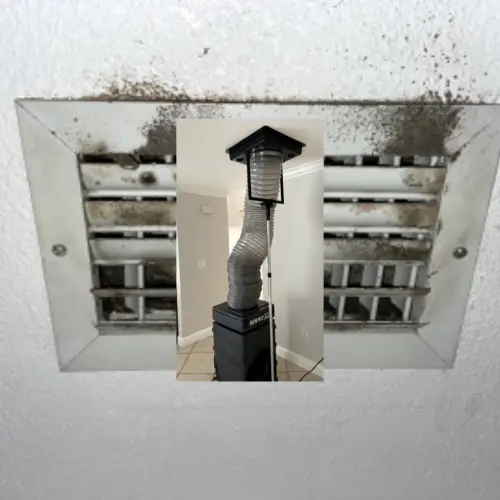
Initiating the sanitization of air ducts begins with the selection of an EPA-registered sanitizer, designed specifically to combat mold within HVAC systems. Following the manufacturer’s instructions closely is imperative to ensure the effective and safe application of the product. The process typically involves using specialized fogging or spraying equipment that disperses the sanitizer evenly throughout the ductwork. This equipment is designed to reach all corners and surfaces inside the ducts, ensuring no area is left untreated. Once applied, the sanitizer acts on contact to eliminate mold spores, disrupting their ability to grow and multiply. It’s crucial that during this process, the HVAC system is turned off to prevent the dispersal of the sanitizer outside of the ductwork and to allow for its proper settling and action on the mold spores. After application, a critical waiting period follows, during which the sanitizer must be allowed to fully dry. This drying period is essential as it ensures the product has time to act on the mold spores and prevents any potential harm from wet sanitizer being blown into the living spaces once the system is reactivated. This step is integral to the mold remediation process in air ducts, contributing significantly to the overall effectiveness of the sanitization effort.
Safety Considerations When Using Sanitizers in Air Ducts
When embarking on the task of applying sanitizers within air ducts, prioritizing safety is crucial. It is imperative to wear the right protective gear to mitigate exposure to potentially harmful chemicals. This includes donning protective gloves, eye protection, and a respirator or mask that can filter out fine particles and chemical vapors. Additionally, ensuring that the area around the air ducts is well-ventilated can help disperse any airborne chemicals, reducing the risk of inhalation. Reading and following the manufacturer’s safety instructions provided with the sanitizer can offer guidance on minimizing exposure and handling the product safely. For those who may feel uneasy about handling chemicals or are uncertain about the application process, seeking the assistance of a professional with experience in handling and applying HVAC sanitizers can be a prudent choice. Their expertise not only ensures that the application is performed safely but also guarantees the efficacy of the mold remediation effort within the air ducts. Remember, taking these precautions not only protects the individual applying the sanitizer but also ensures the ongoing safety and health of the home’s inhabitants.
The Importance of Professional Assistance
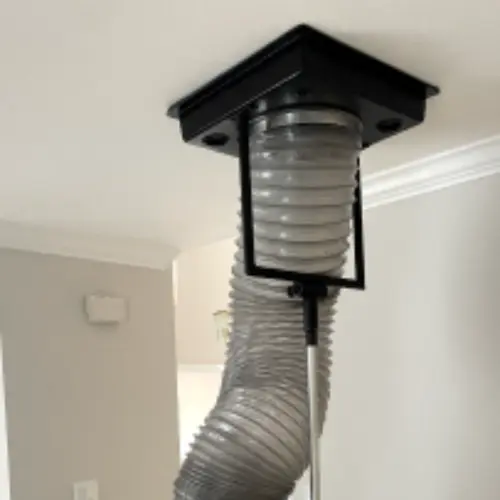
Dealing with mold in air ducts can often be a complex task, requiring specialized knowledge and equipment for thorough eradication. When the situation appears daunting or beyond personal capabilities, enlisting professional help becomes a wise decision. These experts bring to the table a wealth of experience in handling mold infestations of varying severities. Their arsenal includes advanced tools like high-powered vacuums, brushes, and EPA-registered sanitizers tailored for use in HVAC systems, which might not be readily available to the average homeowner. Moreover, professionals are adept at identifying the root causes of mold growth, such as hidden leaks or insulation issues, ensuring that the problem is resolved comprehensively. They can also provide invaluable advice on preventive measures, such as improving air circulation within the ducts or adjusting the humidity levels in your home, to deter mold from returning. Opting for professional assistance not only ensures that the mold is effectively and safely removed from your air ducts but also helps in preserving the longevity of your HVAC system and the health of your home environment. Engaging with specialists can thus offer peace of mind, knowing that the remediation process is conducted meticulously, with attention to both immediate and long-term mold prevention strategies.
Long-Term Strategies for Keeping Air Ducts Mold-Free
To ensure the longevity of a mold-free duct system, a few key strategies should be integrated into regular home maintenance routines. Firstly, engage in periodic air duct inspections to catch and rectify any early signs of mold or moisture accumulation. Enhancing your home’s ventilation can dramatically reduce humidity levels, making the environment less hospitable to mold. Utilize dehumidifiers in particularly moist areas and ensure that exhaust fans are functional in bathrooms and kitchens. Quick resolution of any water leaks is also paramount, as standing water is a primary culprit in mold formation. Additionally, consider installing a UV light system within the HVAC to continuously combat mold and bacteria growth without chemical intervention. Adopting these strategies not only assists in maintaining a mold-free air duct system but also contributes to the overall well-being of your home’s indoor air quality, creating a healthier living space for everyone.